Can Solar Power Run an Egg Incubator in Nigeria? Battery Backup, Temperature Control & Hatchery Design
Solar Power for Egg Incubators in Nigeria: Backup Guide
Learn how to power an egg incubator with solar in Nigeria. Understand inverter sizing, battery backup, daily energy use and reliable temperature control
Can Solar Power Run an Egg Incubator in Nigeria? Battery Backup, Temperature Control & Hatchery Design
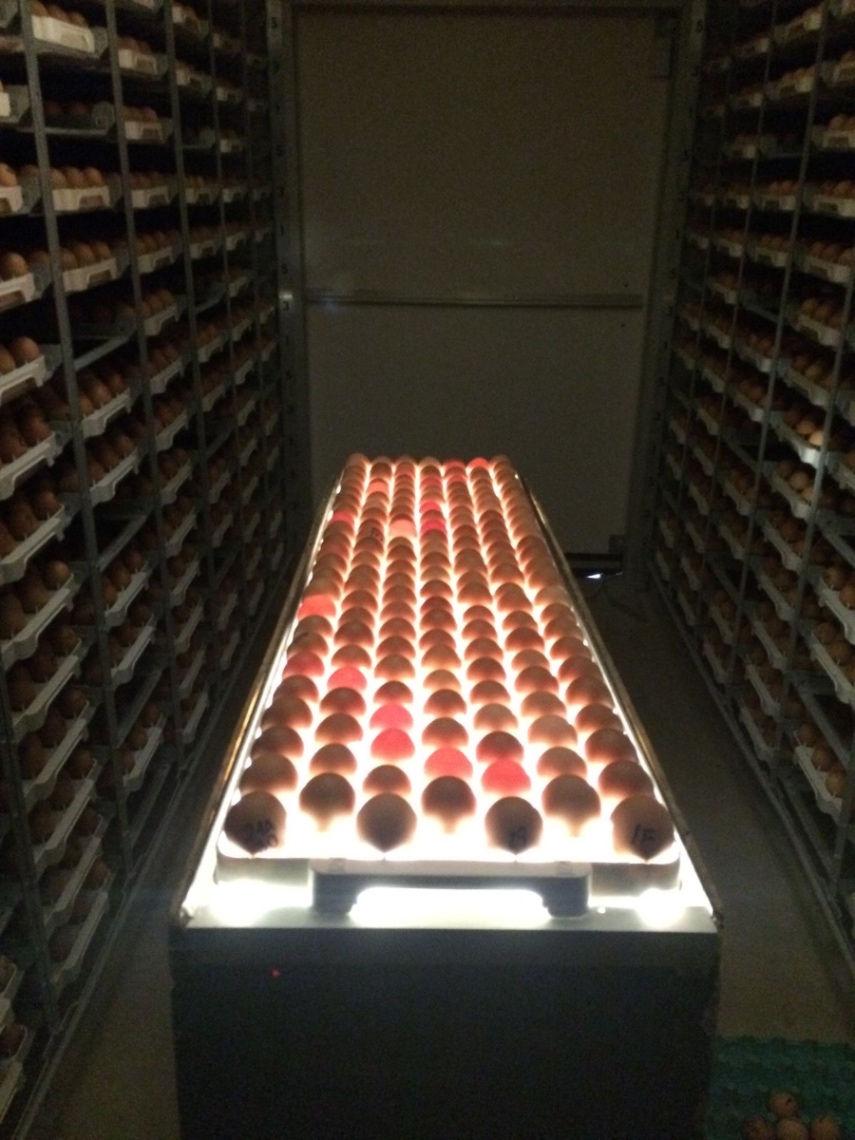
Yes. Solar power can operate an egg incubator in Nigeria, but the system must be designed around the incubator’s actual electrical demand and the consequences of a power interruption. A small tabletop incubator, a 1,000-egg machine and a commercial hatchery do not have the same power requirements.
Incubators may use heating elements, circulation fans, humidity controls, egg-turning motors, sensors and electronic controllers. Some components run continuously; others cycle on and off. The heater’s average demand can change with room temperature, insulation, ventilation and the incubator’s design.
The key is to size the solar array for daily energy, the inverter for the highest simultaneous load, and the battery for the period when solar or grid power is unavailable. Because incubation is a time-sensitive process, the design should also include alarms and a tested backup plan.
Why hatcheries need more than a basic solar package
An incubator is a controlled environment, not just an appliance that needs to switch on. Temperature, humidity, ventilation and egg-turning requirements vary by species and machine. If the power system fails, the incubator may lose its ability to maintain the settings required by its manufacturer.
A Nigerian engineering study published in the Arid Zone Journal of Engineering, Technology and Environment examined a solar-hybrid egg-incubator design using a 300 W solar panel, a 200 Ah lithium-phosphate battery and a 200 W heating bulb among its prototype components. Those figures describe one particular design; they are not a universal recipe for every incubator.
Step 1: Identify every electrical component in the incubator
Before buying panels or batteries, record the exact make and model of the incubator and obtain its manual. Do not size the system from egg capacity alone. Two incubators with the same advertised capacity may use different heating methods, insulation, fans and controls.
Heater or heating element: record its rated wattage and whether it cycles.
Circulation or ventilation fan: record its input rating and whether it runs continuously.
Humidity control: include humidifier, water-heating or actuator loads where fitted.
Egg-turning mechanism: record the motor rating and operating pattern.
Controller, display, sensors, alarm and communications equipment: include their continuous demand.
Any separate brooder, room fan, water pump or hatchery equipment that will share the same inverter.
If possible, use a suitable plug-in energy meter or have a qualified technician measure power and energy over a representative operating period. Record both the maximum observed power and the total energy consumed over 24 hours. The nameplate helps establish the maximum load; measurement helps reveal how often the heater actually operates.
Step 2: Separate peak power from daily energy
Two calculations are needed. Peak power, measured in watts or kilowatts, determines whether the inverter can run all required components together. Daily energy, measured in kilowatt-hours, helps determine the solar-array and battery-energy requirements.
For example, a heater rated at 300 W does not necessarily consume 300 W every minute of the day if its thermostat cycles it. However, the inverter must still be capable of supplying the heater when it is on, together with the fan, controller and any other component operating at the same time.
Do not use an average energy figure to select an inverter. Do not use the inverter’s kVA label alone to estimate daily battery capacity. Check the real-power rating in watts, the machine’s maximum demand, the inverter’s permitted load type and any manufacturer-specified starting or surge requirements.
Step 3: Estimate the battery needed for an outage
Choose the backup duration based on the hatchery’s risk assessment, the incubator manufacturer’s instructions, the reliability of other power sources and how quickly staff can respond to an alarm. There is no single backup duration that is appropriate for every machine or hatchery.
Consider a clearly illustrative example. Suppose an energy meter records an average incubator load of 180 W during the relevant operating period, and the owner wants 12 hours of battery support. The energy delivered to the AC load would be:
0.18 kW × 12 hours = 2.16 kWh
If the design assumes 90% inverter efficiency and makes 80% of nominal battery energy available for this calculation, the simplified battery estimate is:
This is an illustrative calculation, not a product recommendation. Actual design must account for the battery manufacturer’s limits, temperature, ageing, inverter standby consumption, reserve margin and the measured load profile. The inverter must also supply the incubator’s maximum simultaneous power, not just its 180 W average.
Step 4: Estimate the solar array for daily operation
The solar array must supply the incubator’s daily energy use and replace the energy withdrawn from the battery, allowing for conversion and charging losses. It should also be assessed against local solar conditions and the number of hours available to recharge before the next period of high demand.
Suppose, for illustration, the measured average load is 180 W over 24 hours. Daily energy use is:
0.18 kW × 24 hours = 4.32 kWh/day
If a preliminary design assumes 4.5 effective peak-sun-hours and an overall performance factor of 0.75, a first-pass PV estimate is:
4.32 ÷ (4.5 × 0.75) ≈ 1.28 kWp
This is only a starting estimate. The assumptions are illustrative, not a guarantee of daily production anywhere in Nigeria. The final array may need to be larger to recharge the battery after an outage, cover other hatchery loads, handle poorer solar days and meet the desired recovery time. A site-specific design should examine monthly solar yield and actual operating conditions.
Most importantly, sufficient daily solar energy does not guarantee uninterrupted operation during a cloud passage or at night. The inverter and battery must carry the load whenever direct solar generation is insufficient.
Step 5: Choose an inverter that suits the incubator
The inverter should be selected from the incubator’s actual maximum simultaneous input demand and the manufacturer’s requirements. Include the heater, fan, humidity equipment, egg-turner motor and any shared loads that may run together.
Confirm the inverter’s continuous real-power rating, allowable surge, output voltage and frequency, waveform requirements and compatibility with the incubator’s controls. Some electronic controllers may be sensitive to poor-quality power or repeated interruptions.
Avoid choosing a small inverter simply because the average measured load is low. A heater may switch on at the same time as a fan or motor. Conversely, do not buy a very large inverter without a reason: the system should be matched to the measured duty and planned expansion.
Step 6: Decide whether solar, grid and generator should work together
For a hatchery where a long interruption could threaten an entire batch, relying on a single power source may be an unnecessary risk. Depending on the site and budget, the design may combine solar, a battery, the grid and a generator or another approved backup source.
The system designer should explain how each source is prioritised, what happens when the grid fails, how the battery is recharged, and whether the generator starts automatically or requires staff action. Any changeover or parallel operation must be supported by compatible equipment and correctly engineered protection.
Keep the backup source maintained. A generator that has fuel but a weak starter battery, failed transfer switch or neglected service may not be available when needed. Test the complete sequence under controlled conditions rather than assuming it will work because each component starts individually.
Step 7: Protect temperature control and alarm functions
Power capacity is only part of the risk-control plan. The hatchery should have a reliable way to detect a temperature or humidity deviation and alert a responsible person quickly.
Use the incubator manufacturer’s recommended settings for the species and stage of incubation.
Confirm that temperature and humidity sensors are positioned, calibrated and maintained as specified.
Where appropriate, provide an independent thermometer or data logger to cross-check the incubator display.
Use a suitable audible alarm and, where practical, remote notification for power loss or out-of-range conditions.
Ensure critical controllers and alarm devices remain powered during a source changeover.
Keep a written response procedure and contact details for the person responsible for the hatchery.
Solar and battery equipment do not replace correct incubation management. Ask a qualified poultry or hatchery specialist to confirm the environmental settings and acceptable limits for the specific eggs and incubator.
Illustrative design review: a small hatchery in Enugu
This is a hypothetical design example only. It is not a claim that Zookie Solar completed an installation at this hatchery.
Imagine a small hatchery in Enugu operating an incubator with a 300 W heater, a circulation fan, an egg-turning motor and a digital controller. The owner asks for a solar package based on the incubator’s egg capacity.
A responsible assessment would first identify the exact model and confirm the manufacturer’s input requirements. A power meter would then record the highest observed simultaneous load and the energy consumed over a full operating day. The designer would determine the required backup duration, calculate usable battery energy, and size the inverter for the peak load rather than the average.
The solar array would be estimated from measured daily energy and local solar conditions, with additional consideration for restoring the battery after an outage. The owner would also decide whether a generator or another independent backup source is needed for prolonged poor-solar conditions.
Before commissioning, the installer and hatchery operator would test the power-failure alarm, the transfer sequence, battery operation and the restart behaviour of the incubator. The operator would receive instructions explaining what to check if power, temperature or humidity moves outside the manufacturer’s limits.
The result is a design based on the actual machine and the hatchery’s risk—not a generic panel count based on egg capacity.
Common mistakes when powering an egg incubator with solar
Sizing by egg capacity alone
Egg count does not tell you the heater wattage, thermostat duty cycle, insulation quality or energy consumption. Use the exact model and measured operating data.
Using average watts to size the inverter
Average energy helps size the battery and solar array. Inverter selection must also cover maximum simultaneous demand and any starting requirements.
Buying a battery based only on amp-hours
Amp-hours must be interpreted alongside battery voltage, usable depth of discharge and discharge limits. Compare usable energy in kWh and confirm the battery can supply the required power.
Assuming solar production will always cover the load
Solar output changes with weather, time of day and site conditions. The battery and backup plan must cover periods when PV production is inadequate.
Failing to test alarms and backup switching
An untested system may fail at the exact moment it is needed. Test the complete operating sequence and maintain the backup source.
What to provide when requesting a solar quotation for an incubator
Incubator make, exact model and egg capacity.
A clear photo of the electrical nameplate and the manufacturer’s manual.
Rated heater, fan, egg-turner, humidity-control and controller loads.
Measured maximum power and 24-hour energy use, if available.
Desired backup duration and existing grid or generator arrangement.
Other hatchery equipment that will share the system.
Hatchery location and available space for the solar array.
Any monitoring, alarm or remote-notification requirements.
These details allow an installer to quote a system against the real operating requirements instead of guessing from the number of eggs the incubator can hold.
Final takeaway
Solar can power an egg incubator in Nigeria, but the design must protect both the electrical load and the controlled environment the machine is meant to maintain. Measure the real operating demand, size the inverter for peak power, calculate battery energy for the required backup period, and design the PV array around daily consumption and recharge needs.
For a hatchery, alarms, testing and an independent backup plan are just as important as the solar panels. A correctly engineered system should be based on the exact incubator model, its manufacturer’s instructions and the hatchery’s operating risks.
Zookie Solar Ltd provides solar system design, equipment supply, installation and maintenance for homes and businesses. If you operate an incubator or hatchery, share the machine’s model, nameplate, daily operating pattern and backup requirement so the proposed system can be assessed against your actual needs.
Built on Power. Driven by Excellence.
How to Match a Lithium Battery to a Solar Inverter in Nigeria: BMS, Voltage, CAN & RS485 Guide