Solar Power for Catfish Farms in Nigeria: Aeration Loads, Oxygen Safety and Backup Planning
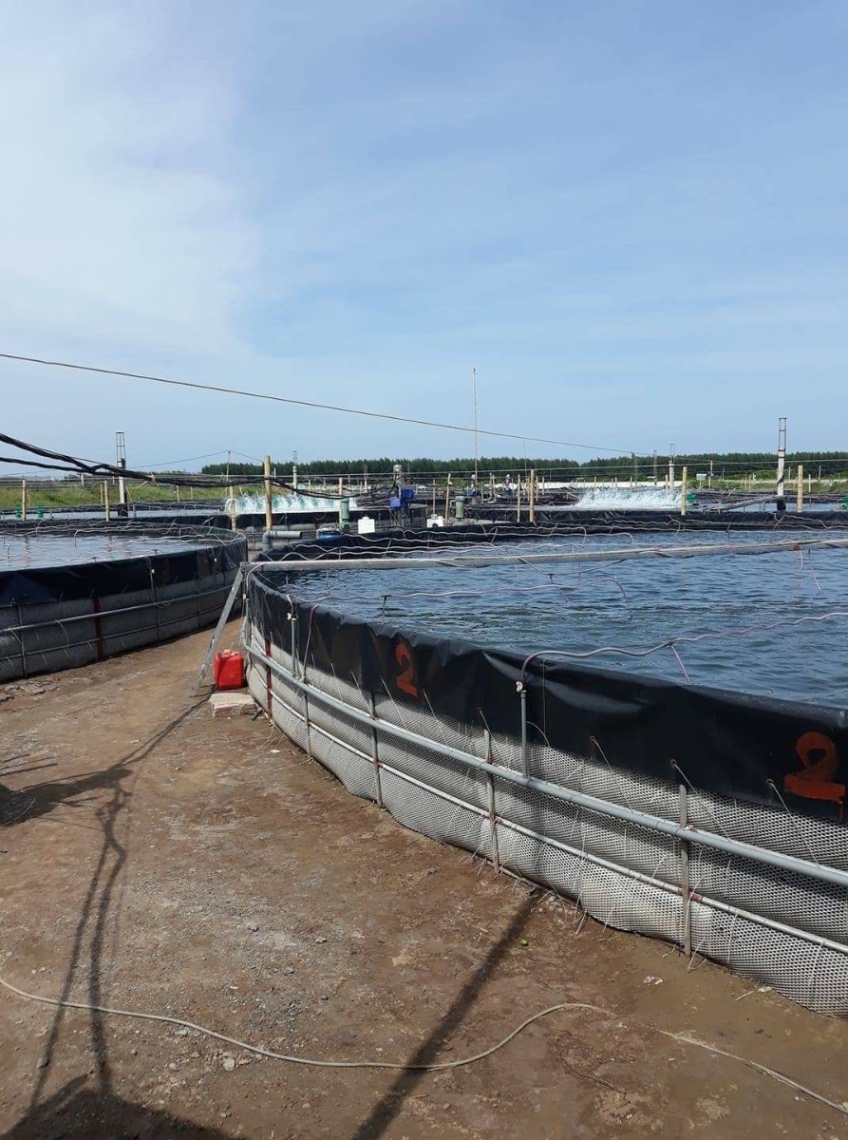
For an intensive catfish farm, electricity is not just a convenience. Aeration helps maintain dissolved oxygen in the water, especially when stocking density and feeding rates are high. If aeration stops during a long outage, fish can become stressed and mortality can follow. Solar can support reliable aeration, but a safe design must begin with the farm’s oxygen-management plan—not with a panel count or a generic inverter package.
This guide focuses on grow-out ponds and tanks, aerator loads, critical backup, monitoring and practical calculations for Nigerian fish farms. It does not replace advice from an aquaculture specialist or a site-specific electrical design.
Why Aeration Is a Critical Load
Fish, beneficial microorganisms and organic matter all affect dissolved oxygen (DO). Oxygen demand changes with fish biomass, feeding, water temperature, pond conditions and the type of production system. An aerator’s electrical rating alone cannot tell you whether it supplies enough oxygen to a particular pond.
Jentan Fish Hatchery & Farms published a farm operations note on 4 September 2026 describing power resilience as part of fish-health planning in recirculating aquaculture. A University of Benin repository project, published in 2025 and uploaded in April 2026, examined a 3.5 kVA solar system for small-scale fish farming, including aeration, lighting and water pumps. These sources show local interest in solar-powered aquaculture, but their reported designs are not guarantees for other farms.
Public Nigerian farmer discussions raise practical questions about aerator power, small inverter systems and oxygen risks during outages. A Nairaland thread from 2020 discusses an aerator connected to a battery and solar panel; a separate 2026 thread discusses solar and battery planning for fish farms. Forum posts are anecdotal and must not be used as engineering specifications.
Step 1: Map the Farm’s Oxygen-Critical Equipment
Identify every device that contributes directly to fish survival or keeps the system stable.
- Air blowers, air pumps, diffusers and their control equipment.
- Paddlewheel or surface aerators used in ponds.
- Oxygen concentrators or emergency oxygen systems, where installed.
- Circulation and filtration equipment in recirculating systems.
- Monitoring instruments, alarms and communication devices used to detect a failure.
Separate these life-support loads from non-critical loads during the backup assessment. Lighting, office equipment and non-urgent processing should not consume the reserve intended for critical aeration.
Step 2: Record Real Power and Operating Patterns
Read each motor or blower nameplate and record rated watts or kilowatts, voltage, phase, current and starting method. Where possible, use a suitable power meter to measure actual operating demand. A motor’s nameplate rating is not always the same as its real input power, and starting current can be substantially higher than running current.