Solar Power for Plastic Recycling Plants in Nigeria: Wash-Line Loads, Pelletising and Energy per Tonne
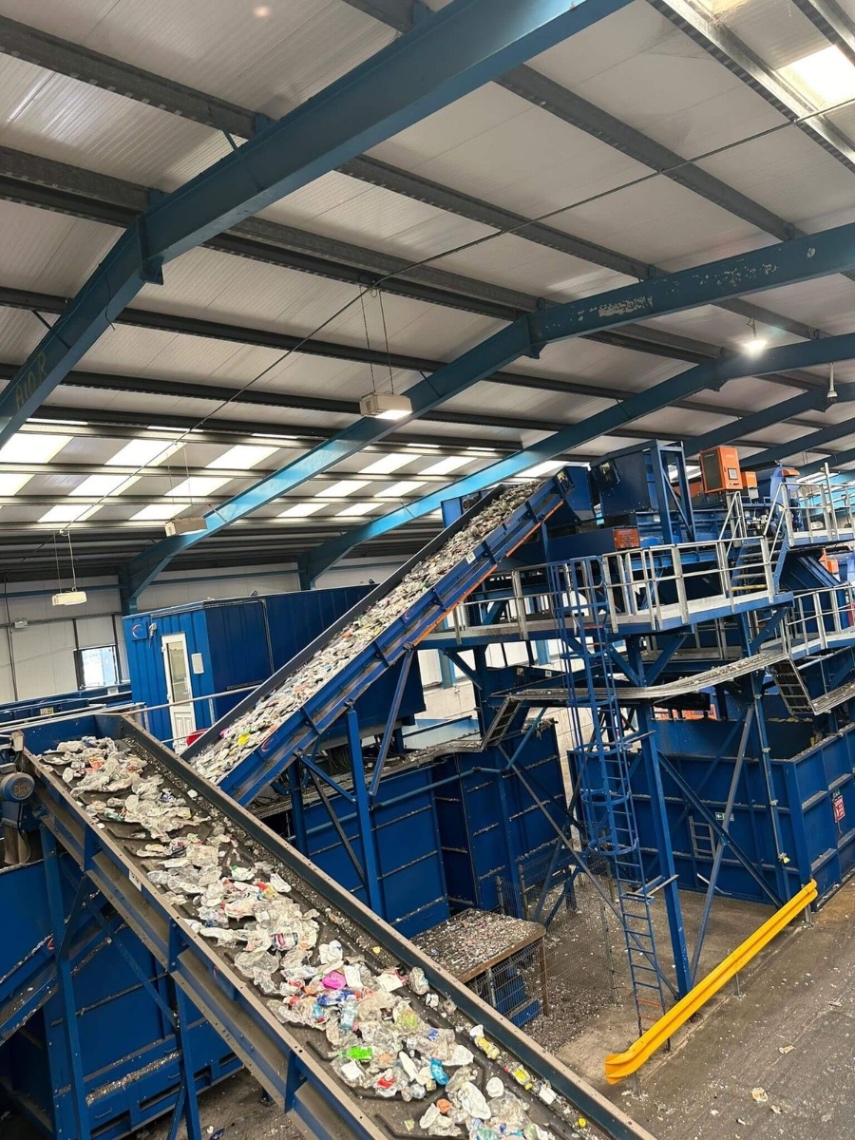
Plastic recycling plants can contain several distinct processes: sorting, shredding or grinding, washing, dewatering, drying, extrusion or pelletising, and material handling. Their power demand is not one uniform load. Motors may run in batches, heaters may cycle, pumps may run only during washing, and different stages may operate at different rates.
A solar project for a recycling plant should therefore be designed around the process line, measured energy use and production target—not just the advertised motor rating or the facility's floor area. This guide focuses on plastic recycling and reprocessing operations in Nigeria. The numerical example is hypothetical, not an industry benchmark, quotation or completed Zookie Solar installation.
Why this sector is becoming relevant to commercial solar planning
Nigeria's plastic-recovery value chain is receiving new infrastructure and investment attention. On 24 April 2026, the United Nations Industrial Development Organization (UNIDO) reported on a pilot plastic-waste collection centre in Abuja, handed over in March 2026, with a stated expected collection capacity of up to 1,200 tonnes annually.
Separately, Starsight Energy announced on 3 June 2026 that it had delivered a 1.2 MW solar system for Polysmart Group's recycling and manufacturing operations in Ogun State. Starsight said the system would meet approximately 35% of the factory's energy demand. This is a vendor-reported project statement, not an independently audited result and not a prediction for another plant.
These developments show that recycling infrastructure and industrial solar are intersecting in Nigeria. They do not prove that every recycler needs the same technology or that a small plant can copy a megawatt-scale design.
Map the process before counting kilowatts
Start by drawing the actual production sequence. A plant may buy washed flakes, or it may receive mixed post-consumer plastic and perform several preparation stages itself. That difference changes both energy use and the machinery that must be included.
- Sorting and feed preparation. Record conveyors, balers or other handling equipment if installed. Manual sorting may use little electricity, while automated equipment adds motor and control loads.
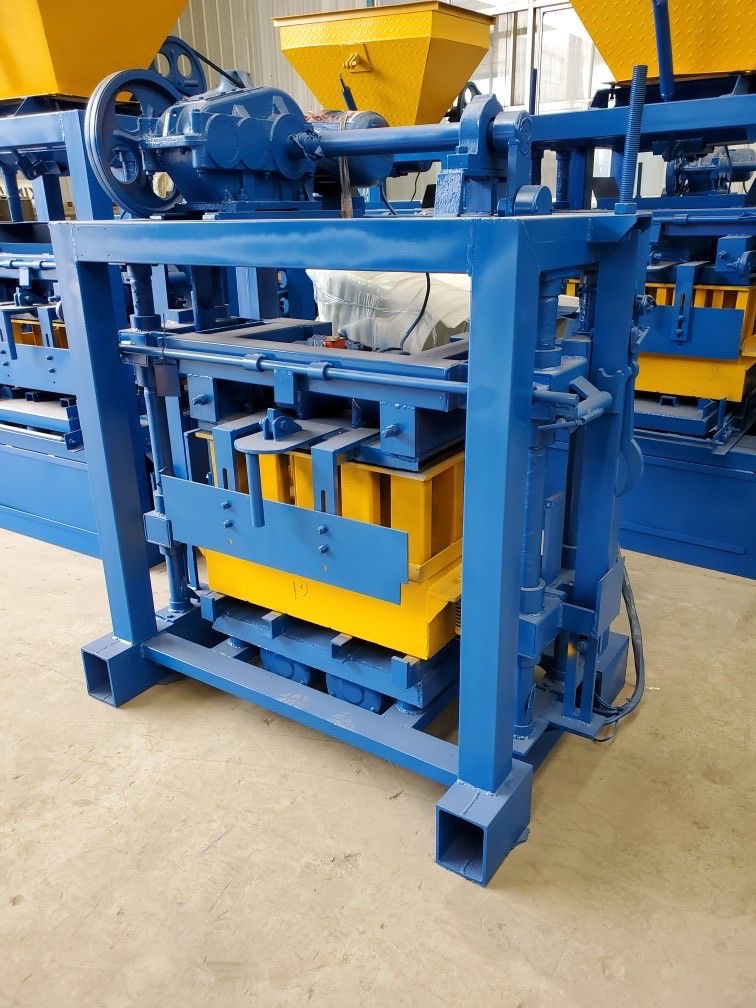
- Shredding or grinding. Check the shredder or granulator's nameplate, phase, starting method and material limits. Actual draw varies with the machine, material, blade condition and throughput.
- Washing and water handling. List wash pumps, agitation motors, transfer pumps and any water-treatment equipment. Separate intermittent batch operation from equipment that runs continuously.
- Dewatering and drying. Centrifuges, blowers and thermal dryers have different power profiles. Record the heater rating separately from motors and fans.
- Extrusion or pelletising. Extruders may combine drive motors, barrel heaters, cooling systems and auxiliary equipment. Heaters can cycle, and their combined demand can overlap with the drive motor.
- Controls and site services. Include control panels, PLCs, lighting, communications, extraction or ventilation, and any essential safety systems.
Installed motor rating is not the same as daily energy
One Lagos equipment seller lists an SS-150 plastic grinding/mixing granulator with an 18 kW main motor, a 1.5 kW heating element and a stated three-phase 380 V, 50 Hz supply. Those are vendor-listed specifications for that model only; they should not be applied to other machines without checking the exact nameplate and manual.
The 18 kW motor rating is not proof that the machine draws 18 kW continuously throughout a shift. Nor does it reveal the start-up demand, the energy used per kilogram of acceptable output, or whether other machines can start at the same time. Where production is already running, use suitable power measurements to capture the line under real material and operating conditions.
Illustrative daily energy calculation for a small recycling line
The following schedule is hypothetical. It assumes a small line using a granulator, wash equipment, a dryer and basic site services. The 12 kW granulator figure is an assumed average input during operation—not a measurement of the vendor-listed machine. All other load values and hours are assumptions for explaining the method.
| Process or load | Illustrative assumption | Daily energy |
|---|---|---|
| Granulator main motor | 12.0 kW average × 6 h | 72.0 kWh |
| Granulator heater | 1.5 kW × 6 h | 9.0 kWh |
| Wash pump and agitation | 3.0 kW × 4 h | 12.0 kWh |
| Drying equipment | 4.0 kW × 4 h | 16.0 kWh |
| Feed conveyor | 1.5 kW × 6 h | 9.0 kWh |
| Water transfer pump | 1.1 kW × 4 h | 4.4 kWh |
| Task and general lighting | 0.8 kW × 10 h | 8.0 kWh |
| Controls, communications and office | 0.6 kW × 8 h | 4.8 kWh |
| TOTAL | Sum of the illustrative assumptions | 135.2 kWh/day |
The calculation is 72.0 + 9.0 + 12.0 + 16.0 + 9.0 + 4.4 + 8.0 + 4.8 = 135.2 kWh/day. It is not a recommended system size. A plant that buys pre-washed flakes may omit some wash and drying loads; a plant with a larger extrusion line or multiple machines may require substantially more energy.
Track energy per tonne of accepted output
Daily kWh is useful for estimating energy supply, but it does not by itself show how efficiently a plant uses electricity. Pair energy records with the mass of saleable or accepted output produced over the same period.
Energy intensity (kWh/tonne) = measured process energy (kWh) ÷ accepted output (tonnes)
For illustration, if a plant used 135.2 kWh over a production day and recorded 0.50 tonne of accepted output, the calculated intensity would be 270.4 kWh per tonne. If accepted output for the same energy use were 0.75 tonne, it would be about 180.3 kWh per tonne. These are arithmetic examples, not performance benchmarks for Nigerian recyclers.
Compare like with like: the plastic type, moisture, contamination, wash requirements, product specification, rejected material and downtime can all change the energy-per-tonne result. Record whether the meter includes only process equipment or also lighting, offices and other site loads.
A preliminary PV estimate for planning—not a final design
For a simplified illustration, assume 4.5 equivalent peak-sun-hours per day and a combined system performance factor of 0.75. These are calculation assumptions, not a solar forecast for a specific Nigerian location or season.
135.2 kWh ÷ (4.5 h × 0.75) ≈ 40.1 kWp
A provisional 20% planning allowance would bring the simplified estimate to approximately 48.1 kWp. This is only an energy-based starting point. A final design must check the site's solar resource and seasonal variation, shading, usable array area, PV-input limits, daytime load coincidence, battery-recharge requirements and the operating hours of each process stage.
If the plant runs most of its energy-intensive processes during daylight, it may be possible to use a substantial share of solar generation directly. If production continues after sunset, the designer must assess whether to store energy, retain another supply source, adjust approved production timing, or combine these measures. Do not assume a battery is the best way to supply every high-power production machine.
Treat motor power, heater power and energy storage separately
A recycling line can combine three different electrical challenges: motor starting, sustained motor operation and resistive heating. These must be assessed together but not confused with one another.
- Motor starting and simultaneous starts. Shredders, granulators, pumps and conveyors can draw a high starting current. Verify the actual starting method and the maximum credible combination of motors operating or starting together.
- Heater demand. Extruder or barrel heaters may cycle according to process control. Check their rated input and operating sequence, and confirm that the inverter can handle the combined demand when heaters and motors overlap.
- Three-phase compatibility. Confirm voltage, phase sequence, frequency and manufacturer requirements. A machine marked for three-phase operation should not be assumed compatible with an ordinary single-phase inverter.
- Battery power versus battery energy. A battery may contain enough kWh for a stated period yet fail to deliver the instantaneous kW or surge current required by a motor. Verify both energy capacity and discharge capability.
- Process quality. Do not interrupt or change a heating, cooling or extrusion sequence solely to fit the solar schedule if doing so could damage machinery or affect product quality. Follow the machine supplier's shutdown and restart procedure.
Give the battery a defined job
For some recycling plants, the battery may be intended to keep controls, essential lighting, communications, security and safe shutdown functions available during an outage. In other cases, management may want the battery to support production motors as well. These are very different design objectives.
Before sizing storage, list the loads that must remain powered, the required duration, the permitted shutdown sequence and the time available for a safe restart. If the battery is expected to run a shredder, dryer or extruder, the design must account for the actual load profile, starting conditions, heater overlap, battery discharge limits and recharge plan.
Do not treat a battery that can support lighting and controls as proof that the full production line can run from battery power. Where a grid or generator remains part of the plant's supply, the intended operating modes and safe source-transfer arrangement must be designed and commissioned by a qualified professional.
What recent Nigerian industry signals show
On 3 June 2026, Starsight Energy announced a 1.2 MW solar installation for Polysmart Group's recycling and manufacturing operations in Ogun State and said the system would supply approximately 35% of the factory's energy demand. This is a vendor-reported project announcement; the figures are not independently audited in the cited announcement and should not be used to predict savings or system sizing for another plant.
UNIDO reported on 24 April 2026 that a pilot plastic-waste collection centre in Abuja had been handed over in March 2026, with expected collection capacity of up to 1,200 tonnes annually. This is evidence of activity in Nigeria's plastic-recovery value chain, not evidence of the centre's electricity consumption or a solar installation.
A public Nairaland business post dated 1 June 2025 advertised locally fabricated waste-plastic crushing and recycling machines from an Aba-based supplier. It is a single commercial discussion, not a representative survey, and it provides no verified energy-use data. A Lagos equipment seller also lists an 18 kW main motor for one grinding/mixing granulator; treat its specification as vendor-listed information and confirm the exact model before using it in a design.
These sources show visible activity in recycling equipment, collection infrastructure and industrial solar. They do not establish reliable Google keyword volumes or a broad consensus across social platforms, so this article makes no such claim.
Information to prepare before requesting a solar proposal
- A process-flow diagram from incoming plastic to the finished output, showing which stages are performed on site.
- Nameplate photographs, manuals, voltage and phase details for each motor, heater, pump, dryer and control system.
- Measured energy and power data from representative production shifts, if available.
- Operating hours, batch durations, production target and accepted output by material type.
- The loads that may operate simultaneously, including heater and motor overlap.
- The required battery role, safe shutdown procedure and acceptable interruption duration.
- Grid and generator records, available solar-array area, site conditions and planned production expansion.
- A proposal stating PV capacity, inverter kW/kVA and phase, battery energy and discharge power, source-transfer design, protection, monitoring, commissioning tests, maintenance and exclusions.
Plan a recycling solar system around the process
A useful solar assessment for a plastic recycling plant begins with the material flow and the actual production line. The design should distinguish installed motor ratings from measured running power, account for heaters and auxiliary loads, and connect energy use to accepted output per tonne.
Zookie Solar Ltd provides solar-system design, equipment supply, installation and technical consultation for Nigerian businesses. Contact the team for a site-specific assessment based on your machinery, shift pattern and production target.
Zookie Solar Ltd — Built on Power. Driven by Excellence.
Email: admin@zookiesolar.com