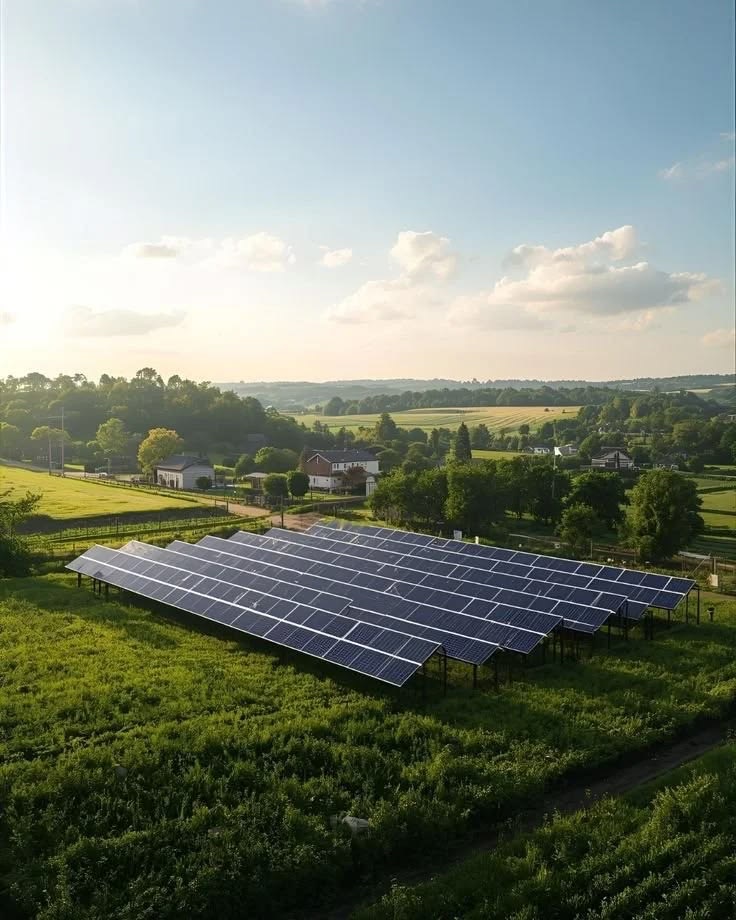

Solar panels are designed to withstand years of outdoor exposure, but installing them is not a set-it-and-forget-it deal. In Nigeria, environmental conditions like Harmattan dust, bird droppings, leaves, construction debris, and rain residue constantly build up on the glass surface. Photovoltaic cells generate electricity only when sunlight reaches them directly, so when heavy grime builds up, system output drops. While a light dust layer has a minor impact, thick or uneven dirt gradually chokes your power production over time.
There is no single cleaning schedule that works for every installation across Nigeria. A practical approach is to inspect your modules visually every few weeks and clean them whenever dirt becomes obvious. During the dry season, particularly during Harmattan, you will likely need to clean them more often. Factors like proximity to untarred roads, high traffic pollution, surrounding tree cover, local bird activity, roof tilt, and construction sites all dictate how quickly your system loses efficiency.
How Harmattan Impacts Your System
Harmattan carries fine, dry dust across the country, coating solar arrays in a pale layer of grime that stays put until washed off. If your daily energy generation drops noticeably during a period of bright, clear sunlight, dust accumulation is usually the main culprit. However, you should treat cleaning as part of a complete diagnostic routine rather than assuming dirt is the only reason for low power generation.
Signs Your Panels Need Immediate Attention
The most straightforward sign that your system needs maintenance is clear visual dirt on the glass. Look out for thick layers of dust, localized bird droppings, stray leaves, or dirt caking along the lower frame edges. You can also monitor your inverter display. If your system normally peaks at a certain output on sunny days but starts underperforming under the same weather conditions, inspect the array physically. Just remember that shading, loose wiring, high ambient temperatures, and inverter faults can mimic the effects of dirty panels.
Safe Materials for Cleaning Your Array
When it comes to washing solar glass, simple and gentle methods work best. You can keep your panels in top condition using:
- Clean, fresh water applied with a low-pressure hose
- A soft, non-abrasive sponge or microfiber cloth
- A specialized soft-bristle solar cleaning brush
- A high-quality rubber squeegee to prevent water spots
Materials and Tools to Avoid
Never use harsh abrasives on your equipment. Avoid steel wool, stiff-bristle brooms, scouring powders, harsh industrial detergents, and unapproved chemical solvents. Scrape marks and surface scratches on the protective glass cause permanent light diffusion, creating a far bigger loss in power output than dirt ever would.
The Dangers of Pressure Washers
Pressure washers should never be used on a residential solar array. High-pressure water jets easily compromise the factory weather seals, force water into electrical junction boxes, and damage sensitive wiring connections. If specialized commercial equipment is used, it should only be handled by trained technicians who understand photovoltaic safety.
Choosing the Right Time of Day to Clean
Washing solar modules in the middle of a hot afternoon is both inefficient and risky. Rapid temperature swings when cold water hits hot glass can cause thermal shock and cracking. Furthermore, water evaporates instantly on hot glass, leaving behind stubborn mineral streaks. Stick to early mornings or late afternoons when the panels are cool.
Always prioritize safety over clean glass. Wet roofs are exceptionally slippery, and solar arrays generate high DC voltage whenever sunlight is present. If your array sits on a steep or elevated roof, hire a qualified professional rather than risking a dangerous fall.
Can Natural Rainfall Clean Your Solar Array?
Heavy rain can wash away light surface dust, but rainfall alone is rarely enough to keep panels operating at peak efficiency. Light showers often mix with existing surface dirt to create a film of dried mud. Rain also fails to dislodge sticky bird droppings, sap, and mineral deposits, meaning a manual wash is still necessary after rainy spells.
Managing Bird Droppings and Spot Shading
While uniform dust reduces light evenly across the entire surface, bird droppings create hard patches of localized shading. Obstructing even a single cell can force the entire panel to reduce its output, which drags down the performance of the entire connected string. Soften bird droppings with clean water first, then gently wipe them away without scraping the glass.
Evaluating Surrounding Shading Issues
Clean glass cannot fix a system that is blocked by physical obstructions. Over time, growing tree branches, new neighboring buildings, water tanks, TV antennas, and overhead poles can begin casting shadows on your roof. Homeowners often clean their panels repeatedly without realizing that a maturing tree has started blocking the afternoon sun.
Inspecting the Surrounding Roof Area
Effective maintenance looks beyond the glass surface. Keep the area around your roof array clean by checking for:
- Overhanging branches and falling leaves
- Bird nests or animal activity beneath the frame
- Debris blocking roof drainage channels
- Loose items that could slide under the panels during a storm
Checking External Wiring and Cables
Take time to visually inspect any accessible solar cables for wear and tear. Look for cracked insulation, exposed copper, loose connectors, or signs of rodents chewing through wire runs. Never touch exposed wiring or disconnect live cables yourself, as high-voltage DC electricity poses a severe shock hazard.
Monitoring Inverter Health
Your panels might be spotless while an underlying inverter issue starves your home of power. During routine checks, look at your inverter display for active fault codes, abnormal input readings, unexpected shutdowns, or high-temperature warnings. Keeping a quick log of your daily peak output makes it simple to catch performance drops early.
Understanding the Difference Between Cleaning and Servicing
Washing the glass surface is just one small part of complete system care. A professional solar service is a comprehensive health check that includes evaluating the mounting rack stability, testing DC and AC isolators, inspecting protective earthing, assessing battery health, and testing voltage consistency across the entire installation. Cleaning removes dirt, but servicing ensures your investment stays safe and operational for decades.
Estimating Power Loss from Dirty Panels
There is no fixed percentage of power loss that applies to every dirty system. Total energy loss depends on dirt density, solar angle, rainfall patterns, and string configuration. Instead of guessing percentages, have a professional technician compare your system's actual daily output against its baseline capacity to determine if a wash is truly necessary.
DIY Cleaning versus Professional Maintenance
If you have a ground-mounted system, basic DIY cleaning with a hose and soft cloth is safe and straightforward. However, most Nigerian installations sit on high, steep tin roofs. Climbing onto a roof carrying water and tools presents serious safety risks. The minor cost of professional maintenance is always worth avoiding a severe injury or accidental roof damage.
A Practical 5-Step Maintenance Routine
Step 1: Visual Inspection. Look at the modules from the ground or a secure ladder to check for dust layers, droppings, leaves, and new shading.
Step 2: Performance Check. Review your inverter output readings and compare them to performance levels under similar weather conditions from previous months.
Step 3: Gentle Washing. Wash the panels during cool hours using clean water and non-abrasive tools, following your manufacturer guidelines carefully.
Step 4: Final Check. Ensure all sticky spots, accumulated mud along the lower borders, and loose leaves are fully cleared away.
Step 5: Post-Clean Monitoring. Track your power generation over the next few days to confirm output has returned to expected levels. If generation remains low, investigate potential wiring or inverter issues.
Top 5 Solar Maintenance Mistakes to Avoid
- Mistake 1: Scouring the modules with abrasive pads, stiff brooms, or harsh chemicals.
- Mistake 2: Risking personal safety on steep or wet roofs without proper fall protection.
- Mistake 3: Assuming every output drop is caused by dirt rather than checking for electrical or shading faults.
- Mistake 4: Waiting until panels are completely caked in dirt before conducting a routine check.
- Mistake 5: Focusing entirely on the glass panels while ignoring the inverter, batteries, and wiring.
Professional Support from Zookie Solar
At Zookie Solar, we ensure your renewable energy investment delivers optimal power long after installation. A well-maintained system guarantees reliable, long-term returns. Our technical team handles:
- Comprehensive array inspections and efficiency audits
- Safe, professional solar panel washing and surface care
- Complete inverter diagnostic checks and recalibration
- Battery storage health checks and thermal management
- Electrical safety tests, cable management, and protective system upgrades
If your daily power output has dropped, let our team run a complete diagnostic check to solve the underlying issue safely and efficiently.
Zookie Solar Ltd. Built on power. Driven by excellence. Your trusted solar partner.
Frequently Asked Questions
How often should solar panels be cleaned in Nigeria?
There is no single rule for every location. Inspect your panels monthly and clean them whenever visible dirt accumulates. Installations near dusty roads or construction sites need more frequent attention than those in cleaner residential areas.
Can I clean solar panels using regular tap water?
Fresh, clean water works well for routine dirt, but hard water rich in heavy minerals can leave white spots on the glass as it dries. Use soft water whenever possible and wipe excess moisture away with a squeegee.
Will dirty panels completely stop generating electricity?
Dirty panels rarely stop producing power entirely, but heavy dirt, dust, and droppings significantly lower the amount of sunlight reaching the photovoltaic cells, cutting your total daily output.
Is rain enough to keep solar panels clean?
Rain washes off loose surface dust, but it cannot scrub away sticky bird droppings, dried mud, or tree sap. Manual cleaning is still required to maintain peak output.
Is it safe to clean my own roof-mounted solar array?
Cleaning roof panels involves severe fall risks and exposure to high-voltage electrical components. Unless your panels are easily accessible from the ground, hiring trained maintenance professionals is always the safer choice.
Do solar energy systems need maintenance after installation?
Yes. Regular health checks catch loose wiring, shading problems, inverter faults, and mounting issues early, preventing costly equipment failures down the road.
Will cleaning my panels instantly increase power output?
If heavy dirt was blocking sunlight, cleaning will restore your energy production immediately. However, if your output loss is caused by shading, faulty wiring, or inverter errors, cleaning alone will not fix the issue.