Solar Power for Weddings, Concerts and Outdoor Events in Nigeria: Temporary Power, Battery Planning and Stage Loads
Power is one of the most important operational details at a wedding, concert, conference, product launch or outdoor celebration. A sound system that cuts out during a speech, stage lighting that fails during a performance, or a battery that empties before the event ends can disrupt the programme and damage the organiser’s reputation.
Solar-powered battery systems can support temporary event electricity, especially where quiet operation matters or the venue has limited access to dependable mains power. But an event system must be designed around the actual equipment list, the run-of-show, the peak demand and the number of hours power is required. The energy plan for a daytime conference is not automatically suitable for an evening wedding or a concert with a large LED wall.
This guide is for Nigerian event planners, production companies, venue managers, DJs and businesses organising temporary events. All calculations in the worked example are hypothetical planning illustrations—not a quotation, a standard package or a record of a Zookie Solar installation.
1. Decide whether you need temporary power or a permanent venue system
The first decision is whether power is needed for one event, repeated events at different locations, or a permanent event venue that operates every week.
Temporary event power
For a one-day event, a supplier may deliver a pre-charged battery power station or mobile battery system, set it up, monitor it and collect it afterwards. This can avoid installing a permanent solar array for a short booking. Confirm the supplier’s usable battery energy, continuous and peak output, delivery window, operating limits and what happens if the system develops a fault.
A permanent system for an event centre
A venue that hosts weddings, conferences or performances regularly may benefit from a fixed solar-and-storage system. Its design should use measured energy data from different event types and should distinguish essential production loads from high-demand loads such as air-conditioning and catering equipment.
The two approaches are not interchangeable. A temporary battery unit arrives with stored energy; solar panels only replenish energy when there is adequate sunlight and a compatible charging arrangement. For an evening event, do not assume that panels deployed at the venue will supply the entire night’s demand without sufficient storage or another approved source.
2. Build the load list from the event programme
Start with the equipment list supplied by the production team, DJ, lighting contractor, venue and caterers. Record each item’s electrical input, voltage, phase, power factor where relevant, operating period and any starting or transient demand. Ask for equipment nameplates or manufacturer data rather than relying only on marketing labels.
Typical event loads to assess
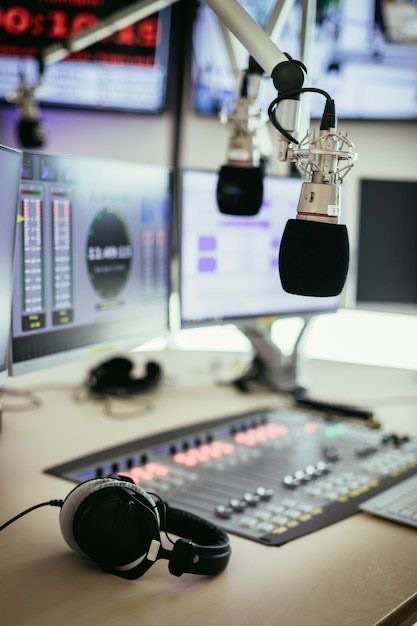
- Sound system: amplifiers, powered speakers, subwoofers, mixers, microphones and wireless receivers.
- DJ and control equipment: controller, laptop, audio interface, playback equipment and charging supplies.
- Stage and decorative lighting: LED fixtures, controllers, moving heads and any lighting effects.
- Visual equipment: LED walls, projectors, screens, switchers and playback computers.
- Guest and production support: fans, registration tablets, routers, communications equipment and essential lighting.
- Separate high-demand loads: air-conditioners, electric cookers, kettles, catering equipment, refrigerators and other vendor equipment.
Do not quietly add catering or cooling equipment to a power booking after the system has been sized. Those loads can change the design significantly. Decide in advance which circuits the solar battery system will support and which loads need a separate supply.
3. Plan around the run-of-show, not just the event duration
Create a timeline showing when each major load is on. A conference may need projectors and microphones for six hours, while a wedding may need decorative lighting, music and fans later in the day. A concert can have sound checks, rehearsals and a headline performance that create different demand patterns.
The timeline helps the designer estimate energy use and identify the highest credible simultaneous load. It may also reveal that some equipment can be switched off between programme segments without affecting the event.
Sound amplifiers and LED equipment can have brief demand changes that are not obvious from average consumption. The system provider should verify the required inverter or power-converter rating, power factor, output waveform, surge capability and compatibility with the equipment. A battery with enough kWh can still fail if the inverter cannot supply the required power at that moment.
4. Worked example: a hypothetical outdoor reception
The following schedule is an illustrative calculation for core production and guest-support equipment. It excludes air-conditioning, electric cooking, large catering appliances and any unlisted vendor loads. Actual figures must be replaced with measured or manufacturer-specified input values.
- Sound system: assumed average input of 1.6 kW for 6 hours = 9.6 kWh.
- DJ and control equipment: 0.25 kW for 7 hours = 1.75 kWh.
- LED stage lighting: 1.8 kW for 4 hours = 7.2 kWh.
- LED screen: 2.0 kW for 4 hours = 8.0 kWh.
- Projector and supporting AV equipment: 0.5 kW for 5 hours = 2.5 kWh.
- Fans: 0.9 kW for 5 hours = 4.5 kWh.
- Registration, router and device charging: 0.3 kW for 7 hours = 2.1 kWh.
The illustrative total is 9.6 + 1.75 + 7.2 + 8.0 + 2.5 + 4.5 + 2.1 = 35.65 kWh. Rounded, the listed equipment uses about 35.7 kWh over the assumed schedule.
This is not a typical event benchmark. The sound system’s actual consumption varies with equipment, programme content, loudness and operating practice. LED screens and lighting vary by configuration and brightness. Measure or obtain the exact equipment data before booking power.
5. Estimate battery energy—and keep power rating separate
For temporary power, the first question is how much usable AC energy the equipment will consume over the booked period. The second question is whether the inverter or power station can deliver the highest simultaneous load, including relevant transient demand. These are different checks.
For illustration, add a 15% energy contingency to the 35.65 kWh schedule: 35.65 × 1.15 = 41.0 kWh of planned AC energy.
Assume 90% conversion efficiency and that 80% of nominal battery capacity is available for the event. A simplified nominal battery estimate is 41.0 ÷ (0.90 × 0.80) ≈ 56.9 kWh. This is an energy estimate only, not a product recommendation.
The final selection must use the supplier’s stated usable capacity, discharge-power limit, permitted operating temperature and reserve policy. If the event is extended, the programme runs late, or extra equipment is connected, energy consumption can exceed the estimate.
For the listed loads, the simple sum of the assumed running inputs when all are operating is 7.35 kW. Do not treat this as a final inverter rating: actual peak demand, power factor, audio transients and equipment-specific requirements must be checked. The provider should confirm the continuous and surge output needed for the exact equipment list.
6. Should you deploy solar panels at the venue?
For a temporary event, the battery may be charged before delivery and solar panels may not be installed at the venue at all. This can be practical for evening events or locations where mounting panels safely for a short booking is unrealistic.
If panels are deployed or the venue already has a permanent array, their contribution depends on the solar resource, weather, orientation, shading, charging equipment and the time the loads operate. Daily PV yield is not the same as power available at every moment. A panel array cannot guarantee that the stage will receive enough power during a cloudy late-afternoon sound check or after sunset.
For a fixed event centre, the engineer can compare the daytime load profile, battery recharge window, required backup period and available installation area. For a one-off event, compare the full cost and logistics of rental with purchasing or installing a permanent system.
7. Plan delivery, setup and contingency before guests arrive
Power equipment should arrive with enough time for unloading, placement, connection, testing and coordination with the event production team. Include venue access, traffic, cable runs, weather exposure and collection time in the plan.
- Confirm the booking window and whether the system arrives fully charged.
- Agree on a single person responsible for approving changes to the equipment list.
- Label the supported circuits and prohibit unapproved extra loads.
- Test the actual sound, lighting and display setup before guests arrive.
- Confirm who will monitor state of charge, alarms and overload warnings during the event.
- Agree on a response plan if the event runs late or demand exceeds the estimate.
Do not wait until the programme begins to discover that the battery cannot support the LED wall and sound system together. The rehearsal or sound check is the time to validate the arrangement.
8. Electrical safety at temporary outdoor events
Temporary installations require the same seriousness as permanent ones. Rain, drinks, wet grass, metal staging, moving vehicles and public access can increase the risk of electric shock, damaged cables and accidental disconnection.
Use competent personnel to determine protective devices, earthing and bonding, suitable outdoor connectors and enclosures, cable routing, mechanical protection and safe placement of batteries and power converters. Keep equipment protected from rain and flooding according to the manufacturer’s rating. Route cables away from walkways or protect them with suitable cable ramps, and do not overload adaptors or extension boards.
Do not connect a battery system to a venue’s fixed wiring or generator changeover arrangement without an approved design. Any parallel connection or transfer arrangement must be compatible with the equipment and installed by a qualified professional.
The event organiser should also maintain clear access to exits and emergency routes. Power cables, battery enclosures and temporary distribution boards must not obstruct evacuation paths.
9. What current Nigerian service pages and public discussions indicate
At the time of research on 18 October 2026, PowerOn’s website marketed solar-powered mobile electricity for concerts, festivals, corporate events, weddings and other temporary uses. Travo.ng also published an event-solar-rental page last month describing load assessment, battery capacity, event duration and delivery coordination as key planning considerations. These are provider/service pages, not independent performance audits or proof of a market-wide trend.
Public listings on Nairaland also show Nigerian event venues advertising standby generator capacity as part of their facilities. For example, a 5 September 2023 listing for an Agege event centre mentioned a generator and described uses including weddings, conferences and product launches. It is an old listing and should be treated only as an example of how venue power arrangements are discussed publicly, not as evidence of current availability or pricing.
The practical takeaway is straightforward: event power is both an electrical-design problem and a logistics problem. A technically adequate system that arrives late, is not fully charged or is connected to unplanned equipment can still fail the event.
10. Questions to ask before booking temporary solar power
- What is the continuous AC output in kW/kVA, and what peak or surge output is available for how long?
- What is the usable battery energy in kWh—not just the advertised nominal capacity?
- Has the provider checked the complete equipment list and run-of-show?
- Are delivery, installation, cabling, technical support and collection included?
- What happens if the event runs late, demand increases or the system faults?
- Which loads are excluded, and who can approve additional equipment?
- What weather protection and electrical safety arrangements are provided?
- For a permanent venue, what measured data and design assumptions support the proposed PV, inverter and battery sizes?
Compare quotations on usable energy, continuous and peak power, equipment scope, service response and safety—not only the battery’s advertised kWh or the rental headline price.
Conclusion: make the power plan part of the event plan
Solar-powered battery systems can be useful for Nigerian weddings, concerts, conferences and outdoor events when quiet operation, temporary deployment or dependable production power is important. The right setup depends on the equipment list, the timing of each load, the event duration and the highest simultaneous demand.
Start with a written load schedule, confirm both kWh and kW/kVA requirements, and test the full arrangement before the event begins. For recurring venues, use measured data from different event types to decide whether a permanent solar-and-storage installation makes more sense than temporary power hire.
Zookie Solar Ltd can help businesses and venue operators assess their electrical loads and plan a site-specific solar solution. For temporary event requirements, discuss the equipment list, operating hours, delivery arrangements and backup expectations before committing to a system.
Zookie Solar Ltd — Built on Power. Driven by Excellence.
Email: admin@zookiesolar.com
Sources and further reading
- Zookie Solar Ltd — Official website and solar services: https://www.zookiesolar.com/
- Zookie Solar Ltd — Contact and technical consultation: https://www.zookiesolar.com/contact