Solar Batteries Explained: Lithium vs Lead-Acid – The Honest Truth
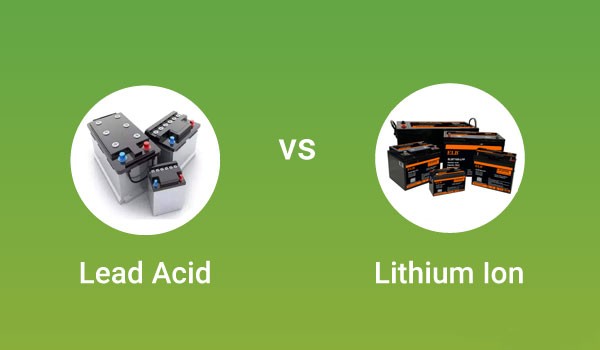
The cheaper battery costs twice as much in the long run. Here is what the vendors won't tell you before you buy.
You have finally decided to go solar. You have sized your system. You have picked your panels. Then the vendor hits you with the question: "Lithium or lead-acid?"
The price difference is shocking. A lithium battery bank costs two to three times more upfront than a lead-acid bank of similar size. Your wallet screams "lead-acid." Your head whispers that there must be a catch.
There is a catch. Several, actually.
Let me explain why the cheaper battery is often the most expensive mistake you will make.
The Chemistry of Disappointment
Lead-acid batteries have been around since the 1850s. The technology is ancient, reliable in the right application, and cheap to manufacture. That is why every generator starter battery and every budget solar system still uses them.
But lead-acid batteries have a fatal flaw for solar applications: they hate being drained below 50 percent.
Think of a lead-acid battery like a cup of water. You can drink half the cup comfortably. If you drink more than half, you start damaging the cup. Drink it completely empty a few times, and the cup cracks permanently.
This means a 200Ah lead-acid battery bank gives you only 100Ah of usable power. The other 100Ah sits there as a hostage, unavailable to you, because accessing it would destroy the battery within months.
Lithium batteries operate differently. They deliver 90 to 95 percent of their rated capacity safely. A 200Ah lithium bank gives you roughly 180Ah of usable power.
That 2x price difference suddenly looks different when you realise you are getting nearly twice the usable capacity from the same rated size.
The Replacement Cycle Nobody Calculates
Here is where the math gets brutal.
A quality lead-acid battery bank installed in a Nigerian home with daily deep cycling typically lasts 18 to 24 months before performance degrades noticeably. After three years, you are shopping for replacements.
A quality lithium battery bank lasts 8 to 10 years with similar usage. Some manufacturers now warranty their batteries for 10 years.
Over a decade, you will buy lead-acid batteries three or four times. Lithium? Once.
Add up the costs. Include the labour of replacing heavy batteries every two years. Include the downtime when your system runs poorly because your "fully charged" batteries drain in two hours. Include the frustration of hearing your generator kick on at 8pm every night because your old batteries cannot make it until morning.
The cheap battery is not cheap. It is an installment plan with hidden fees.
Maintenance Is Not Optional
Lead-acid batteries require regular maintenance. You need to check water levels monthly and top up with distilled water. You need to clean terminals to prevent corrosion. You need to ensure proper ventilation because lead-acid batteries emit hydrogen gas during charging.
Skip this maintenance for a few months, and your batteries fail prematurely. Most people skip it. Life gets busy. The batteries sit in a hot, dusty corner of the compound, slowly deteriorating.
Lithium batteries require zero maintenance. No water. No cleaning. No ventilation concerns. They sit quietly in a corner, doing their job, asking nothing from you except to be used.
For the average Nigerian homeowner juggling work, family, and the general chaos of daily life, that convenience alone justifies the higher price.
Heat Is the Silent Killer
Nigeria is hot. Your battery bank, if installed outdoors or in an unventilated room, will experience temperatures well above the ideal operating range nearly every day.
Lead-acid batteries hate heat. High temperatures accelerate corrosion of the internal plates, dramatically shortening lifespan. Studies show that every 10 degrees Celsius above 25 degrees reduces lead-acid battery life by roughly 50 percent.
Lithium batteries tolerate heat significantly better. They still degrade faster in extreme conditions, but the difference is less dramatic. A lithium battery in a hot Nigerian environment will still outlast three lead-acid replacements.
When Lead-Acid Makes Sense
I have spent this entire post arguing against lead-acid batteries. Now let me tell you when they are the right choice.
Lead-acid makes sense for very small systems where the upfront cost difference is absolute. If you are building a basic solar system with one or two panels to power lights and phone charging, the budget may not justify lithium. The total money at stake is small enough that the replacement cycle matters less.
Lead-acid also makes sense for applications with very shallow daily discharge. If you only use 20 percent of your battery capacity most days, with deep discharges happening only during grid failures, lead-acid can last reasonably well. Vacation homes, small weekend shops, and emergency backup systems fall into this category.
For everyone else? For the family that needs reliable power every evening? For the business that cannot afford unexpected downtime? Lithium is the correct answer.
The Brand Trap
Cheap lithium batteries from unknown brands can be just as problematic as lead-acid. The market is flooded with refurbished cells salvaged from old electric vehicles, repackaged in shiny new cases, and sold as "premium lithium."
Stick with established brands that offer clear warranties and have local support. Pay attention to the cycle life rating. A reputable lithium battery should offer at least 3,000 cycles at 80 percent depth of discharge. That is roughly eight years of daily cycling.
Anything with a 1,000-cycle rating is either low-quality lithium or salvaged cells. Avoid it.
The Bottom Line
Buying a solar battery is a decade-long decision disguised as a one-time purchase.
Lead-acid saves you money today and costs you more tomorrow. Lithium costs you more today and saves you money over time. The choice depends on whether you value short-term cash flow or long-term value.
For most Nigerian homeowners who have already saved millions to install solar in the first place, cheaping out on batteries is false economy. You did all the hard work of making the switch. Finish properly.
Still unsure which battery fits your budget and needs? Our team provides no-pressure recommendations based on your actual usage, not a vendor's commission.